Why HVAC Preparation Matters for East Coast Homes?
As a real estate expert with years of experience helping homeowners across Connecticut and the broader East Coast, I've seen firsthand how a well-maintained HVAC system can make or break a home's comfort, safety, and market value during harsh winters. The East Coast's unpredictable weather—think heavy snowfalls, nor'easters, and biting cold—puts extra strain on heating systems, potentially leading to breakdowns, higher energy bills, or even safety hazards like carbon monoxide leaks. In this post, I'll share professional insights on inspecting and maintaining your HVAC to ensure your home stays safe, secure, and warm through 2026's winter season. Proper preparation not only prevents costly emergencies but also enhances your property's appeal to future buyers, who increasingly prioritize energy-efficient, well-cared-for homes.
Why HVAC Preparation Matters for East Coast Homes
Winter on the East Coast isn't just about cozy firesides; it's a test of your home's resilience. According to HVAC specialists, failing to prep your system can result in inefficiencies that spike utility costs by up to 20-30% or cause failures during peak cold snaps. From a real estate perspective, a neglected HVAC can deter buyers during inspections, potentially lowering your home's value by thousands. On the flip side, documented maintenance records signal a secure, well-managed property, boosting buyer confidence. Safety is paramount too—poorly maintained furnaces are a leading cause of home fires and CO poisoning, which the CDC reports affects thousands annually. By investing time now, you're safeguarding your family's warmth and your investment's integrity.
Essential Inspection Steps Before the Cold Hits
Start with a thorough inspection to catch issues early. As a realtor, I always advise clients to treat this like a pre-listing home check—it uncovers hidden problems that could turn into deal-breakers.
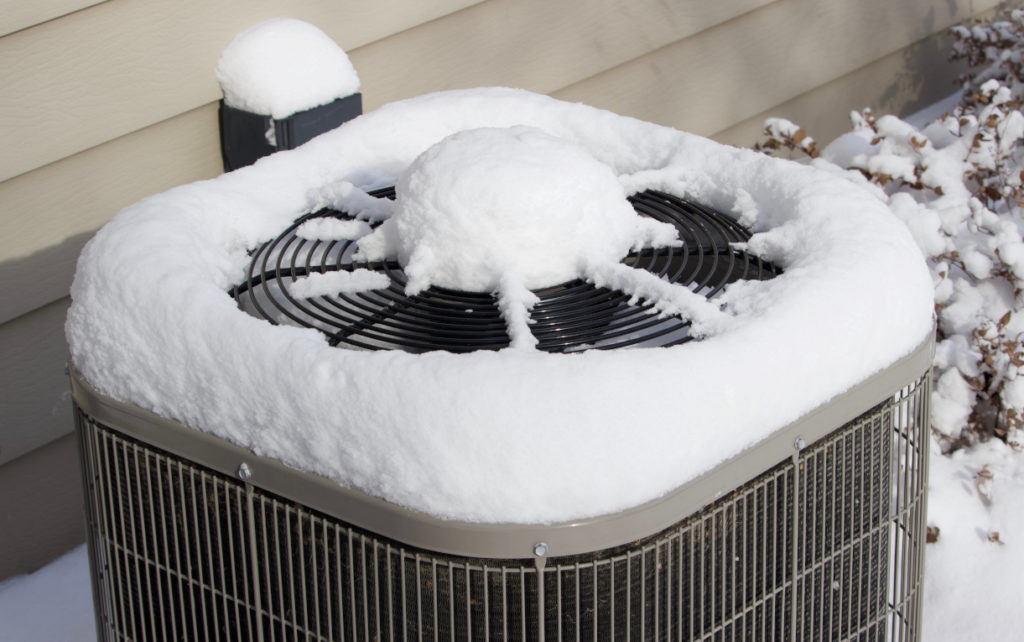
- Examine the Outdoor Unit: Clear debris, leaves, or snow buildup around your condenser. For coastal East Coast areas, inspect for salt corrosion, which can degrade components faster. Ensure the unit is level and secure to withstand high winds from nor'easters.
- Check Thermostat and Electrical Connections: Test your thermostat for accuracy—programmable models can save 10% on heating bills. Look for frayed wires or loose connections, which pose fire risks.
- Inspect Ductwork and Vents: Scan for leaks, blockages, or damage. Unblocked vents ensure even heating, preventing cold spots that make homes feel insecure.
- Test Carbon Monoxide Detectors: Replace batteries and ensure detectors are functional near your HVAC. This is non-negotiable for safety.
If you're not handy, hire a certified inspector—many real estate pros like myself can recommend trusted ones.

Maintenance Insights to Keep Your System Running Smoothly
Maintenance goes hand-in-hand with inspection. Aim for annual tune-ups, ideally in fall, to optimize performance.
- Change or Clean Air Filters: Dirty filters reduce efficiency by 15% and strain your system. Replace monthly during winter for peak airflow.
- Schedule a Professional Tune-Up: Have a tech clean the blower, check refrigerant levels (if applicable), and lubricate parts. This can extend your system's life by years and prevent mid-winter breakdowns.
- Seal Leaks and Insulate: Caulk windows, doors, and ducts to keep warm air in. Proper insulation can cut heating costs significantly, making your home more energy-secure.
- Clean the Outdoor Unit and Surroundings: Remove salt and debris, especially in salty East Coast environments, to avoid corrosion.
These steps not only ensure warmth but also maintain your home's structural security by preventing moisture-related issues like mold.
East Coast-Specific Challenges and Solutions
The East Coast's unique weather demands tailored prep. Nor'easters can dump feet of snow, blocking vents and causing system failures. In coastal spots like Rhode Island or Connecticut, salt air accelerates rust—consider protective covers for outdoor units. For heavy snow areas, elevate units or install snow shields to prevent icing. If a storm hits, have backups like space heaters ready, but never use them unattended for safety.
In my real estate dealings, homes in storm-prone areas with resilient HVAC systems sell faster and at premium prices, as buyers value peace of mind.

Staying Safe and Secure This Winter
Beyond comfort, focus on security: Install smart thermostats for remote monitoring, reducing risks if you're away. Regularly check for gas leaks or unusual odors—call professionals immediately. Energy-efficient systems also contribute to environmental security, appealing to eco-conscious buyers.
Final Thoughts
Preparing your HVAC for an East Coast winter is a smart move for safety, warmth, and home value. Don't wait for the first freeze—act now to avoid regrets. If you're buying, selling, or just maintaining in 2026, reach out to a real estate expert like me for personalized advice or referrals to top HVAC pros. Stay warm and secure!
To your next (and bigger) deal,
Lavanya
Real Estate Investor & Agent
Lets Connect via Facebook, Instagram & Threads
P.S. Share this post with any investor friends who still think “rates are too high” or “there are no buyers.” They’re about to be proven very wrong. 🚀
Comments
Post a Comment